




Posted on: 2026-01-30
Understanding a Meniscus Tear in Knee: Symptoms, Risks & When to Seek Help
If you’ve recently felt a sharp twist in your knee followed by pain, swelling, or a “locking” sensation, you’re not alone. A meniscus tear in knee is one of the most common causes of sudden knee discomfort, especially among active individuals and adults over 40. The problem is that many people brush off the early warning signs as a simple strain until the pain becomes harder to ignore.
Left untreated, a meniscus tear can disrupt your daily movement, limit your mobility, and lead to long-term joint problems that are much harder (and more expensive) to fix later. That’s where early awareness and proper care make all the difference.
The good news? You don’t have to navigate this journey alone. With the right diagnosis and the correct meniscus tear treatment, you can protect your knee, restore mobility, and get back to your lifestyle. At Jersey Joint, Spine & Regen, we help patients find relief without unnecessary surgeries.
Share this Blog:
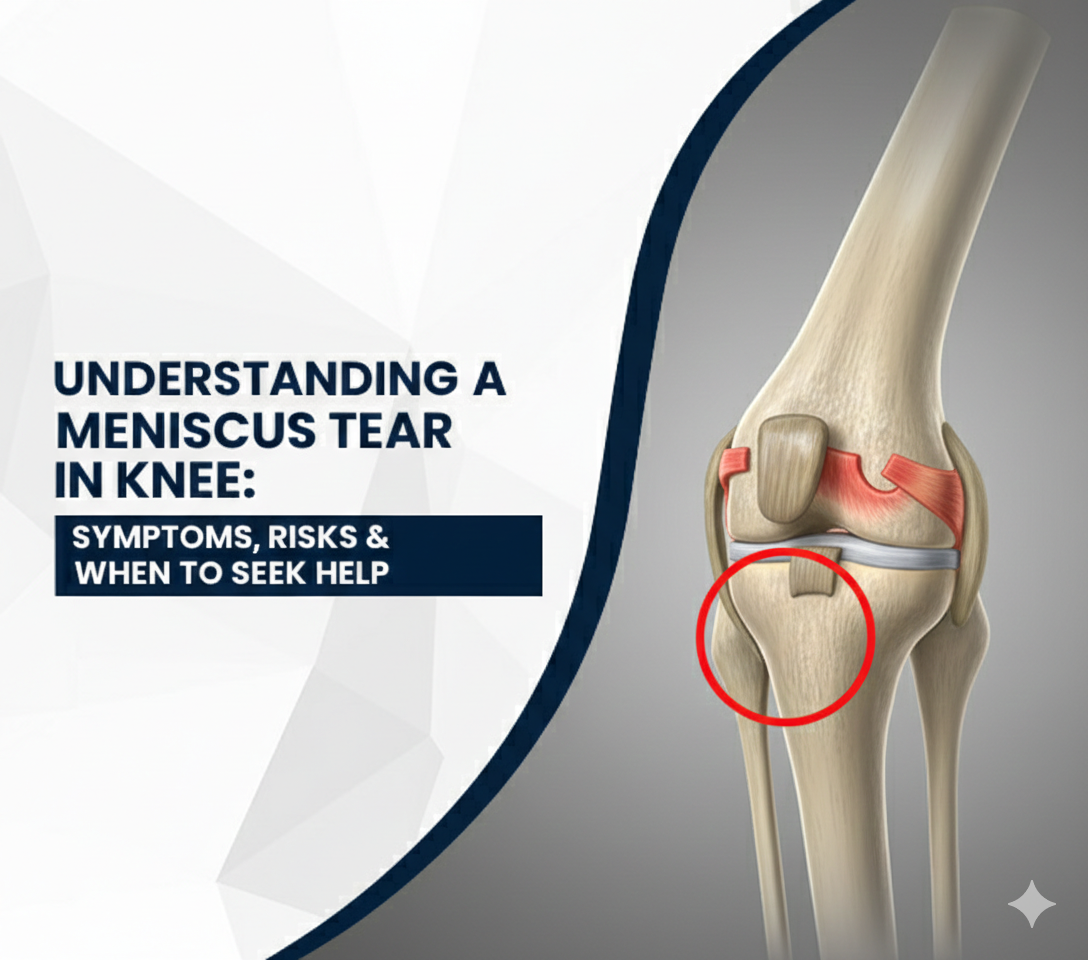
Understanding a Meniscus Tear: What Really Happens Inside the Knee
The meniscus is a C-shaped piece of cartilage that cushions your knee joint and absorbs shock between your thigh bone and shin bone. When it tears, usually due to twisting, pivoting, or pressure, it disrupts the smooth movement of your knee.
A meniscus tear in knee can happen in a split second during sports, or gradually due to aging and cartilage degeneration. No matter the cause, the pain is real, and the effects can be long-lasting when ignored.
This blog breaks down everything you need to know: the symptoms, the risks, and how to take action before the tear becomes worse.
Common Symptoms of a Meniscus Tear
A meniscus tear doesn’t always feel the same for everyone, but these are the symptoms most patients report:
- Sharp Pain After Twisting or Squatting: A meniscus injury often starts with a sudden, sharp pain during movement, especially when twisting, pivoting, or standing up from a squat.
- Swelling That Develops Over a Few Hours: Inflammation increases as your body tries to protect the area. Swelling may worsen with activity.
- Knee Stiffness or Difficulty Straightening the Leg: Patients commonly describe the knee feeling “locked,” as if something is stuck inside the joint.
- A Clicking or Popping Sensation: This occurs when torn cartilage interferes with smooth knee movement.
- Instability or the Knee ‘Giving Out’: A torn meniscus can affect the knee’s structural support, making it feel unreliable during activity.
If you’re experiencing one or more of these symptoms, it’s time to consider seeking medical guidance. Notice these symptoms in your knee? Schedule an evaluation with Jersey Joint, Spine & Regen today.
What Causes a Meniscus Tear? Who Is at Risk?
Understanding risk factors can help you avoid making the tear worse.
- Sports Injuries: Athletes in sports like basketball, soccer, and tennis are at greater risk due to high-speed pivoting movements.
- Aging & Cartilage Degeneration: In adults over 40, the meniscus weakens naturally, making even simple actions, like standing from a chair, a potential cause of injury.
- Obesity: Excess weight puts continuous pressure on the knee joint, increasing the likelihood of cartilage wear and tear.
- Previous Knee Injuries: A previously injured knee is more vulnerable to future tears.
- Occupational Risks: Jobs involving frequent kneeling, climbing, or heavy lifting can strain the knee over time.
Why You Should Never Ignore a Meniscus Tear (Desire)
A torn meniscus won’t heal the same way a skin wound does. The meniscus has limited blood flow, and a lack of treatment often leads to:
- Worsening Pain Over Time: A small tear can become a larger, more painful tear if left untreated.
- Reduced Mobility: Activities like walking, climbing stairs, or even sitting for long periods can become uncomfortable.
- Early Osteoarthritis: Cartilage damage accelerates joint degeneration, leading to chronic knee issues.
- Higher Chance of Surgery Later: Early intervention can often prevent the need for surgery, but delays increase your risk.
This is why identifying the right meniscus tear treatment is crucial for long-term knee health. If your knee pain has lasted more than a week, book a consultation before it worsens.
Book a Consultation
Diagnosing a Meniscus Tear: What to Expect
At Jersey Joint, Spine & Regen, diagnosis typically includes:
- Physical Examination: Your provider checks knee stability, mobility, swelling, and pain patterns.
- MRI Imaging: This confirms the tear’s location and severity, helping guide your treatment plan.
The diagnostic process is simple, fast, and essential in ensuring the right kind of care.
Effective Meniscus Tear Treatment Options
Every knee is different, which is why a personalized care plan matters. Here’s how most patients are treated at Jersey Joint, Spine & Regen:
-
Conservative (Non-Surgical) Treatment
- RICE Protocol: Rest, Ice, Compression, Elevation, is effective for reducing pain and swelling.
- Regenerative Injections (Platelet-Rich Plasma & Stem Cell Therapy): This is where Jersey Joint, Spine & Regen stands out. These treatments help reduce inflammation and may support natural tissue repair while avoiding surgery.
- Anti-Inflammatory Medications: Used short-term to manage swelling and discomfort.
Ask our specialists if you’re a candidate for non-surgical regenerative treatment.
-
Surgical Treatment (When Necessary)
If the tear is large, displaced, or mechanical (locking), your doctor may recommend:
- Arthroscopic Meniscus Repair: Stitches the torn edges back together.
- Meniscectomy: Removes the damaged portion of the meniscus to restore smooth movement.
Surgery is typically recommended only when conservative treatments fail.
When You Should See a Doctor Immediately
Seek medical attention right away if you notice:
- Severe swelling within hours
- Inability to fully bend or straighten your knee
- Constant popping or locking
- Your knee buckles regularly
- Pain that persists for more than 7–10 days
Ignoring these signs can worsen the tear and prolong recovery. Don’t wait for the pain to dictate your day. Book a knee assessment now.
How to Prevent a Meniscus Tear
Even if your knee is healthy today, building good habits protects you long-term:
- Warm Up Before Exercise: Gentle stretching prepares your joints for movement.
- Strengthen Your Quadriceps & Hamstrings: Both muscle groups stabilize the knee.
- Maintain a Healthy Weight: Reduces pressure on knee cartilage.
- Avoid Sudden Twisting Movements: Especially during sports.
- Wear Supportive Footwear: Helps maintain proper alignment and reduces knee stress.
Prevention saves you from unnecessary pain and unexpected downtime.
Let Jersey Joint, Spine & Regen Help You Recover
A meniscus tear in knee can feel overwhelming, but with the right care, you can return to your normal routine stronger than before. At Jersey Joint, Spine & Regen, our team specializes in advanced, less-invasive meniscus tear treatment that prioritizes long-term joint health.
Whether you’re dealing with a fresh injury or ongoing knee pain, we’re here to help you find real relief, not temporary fixes. Ready for answers? Schedule your evaluation with Jersey Joint, Spine & Regen today.
Living with pain means missing life
With JerseyJSR, you find the right pain management in NJ, guided by specialists, and finally live without limits.